Namibia Aims for 150 Million Barrels of Oil by 2030 in Ambitious Energy Strategy Unveiled in NDP6
Namibia has announced bold ambitions to produce 150 million barrels of oil by 2030, as outlined in the newly launched Sixth National Development Plan (NDP6).
The plan, unveiled on Monday by President Netumbo Nandi-Ndaitwah, sets forth strategic targets across key sectors, with energy development at the forefront.
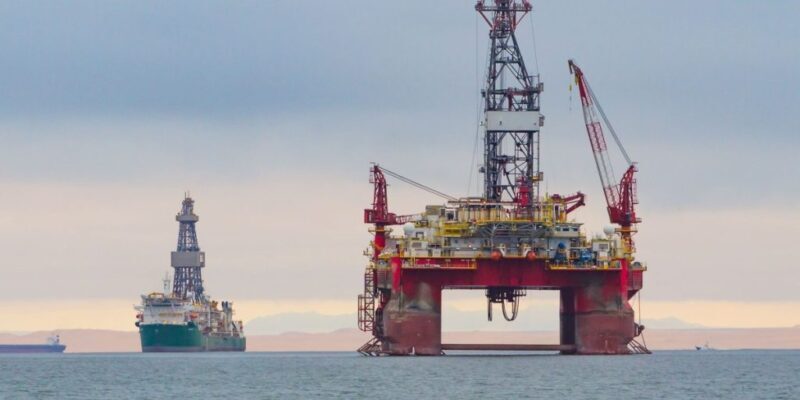
The production target follows a wave of major offshore oil discoveries in the Orange Basin since 2022, which have sparked significant international exploration interest. Namibia is estimated to hold reserves of approximately 11 billion barrels of oil and 2.2 trillion cubic feet of natural gas.
By 2024, the country had seen the drilling of 28 offshore and 10 onshore exploratory wells, along with 15 appraisal wells.
These activities have involved global oil majors in partnership with the National Petroleum Corporation of Namibia (NAMCOR).
“The goal is to optimize local participation in the oil and gas value chain and ensure the sector’s competitiveness in the global market.
The desired outcome by 2030 is to increase the oil production rate from zero to 150 million barrels of oil equivalent (mmboe),” states the NDP6 report.
In addition to oil production, Namibia plans to scale up natural gas output to 130 million standard cubic feet per day.
The government aims to create over 22,000 jobs and raise Namibian participation in the sector to 15%, covering the full value chain from upstream exploration to midstream infrastructure and downstream processing—including refining and petrochemical production.
To support these goals, the government will focus on large-scale infrastructure development, including pipelines, refineries, storage facilities, and export terminals.
A revised legal and regulatory framework will also be introduced to ensure safety, environmental compliance, and global competitiveness.
Skills development is a central pillar of the strategy. The government plans to enhance technical and vocational education and training (TVET), as well as university-level programs, to prepare Namibians for industry roles.
“The strategy also seeks to foster innovation, develop intellectual property, and establish innovation hubs at institutions of higher learning,” the report notes.
The plan further integrates environmental sustainability, promoting technologies such as carbon capture and storage (CCS) to support global decarbonization goals while expanding access to affordable energy for all Namibians.