Africa’s LNG Boom: Mozambique and Nigeria Edge Closer to Major FIDs
Major African LNG projects in Mozambique and Nigeria are advancing toward Final Investment Decisions (FIDs), with developers highlighting significant progress in commercial, regulatory, and design frameworks aimed at ensuring global competitiveness.
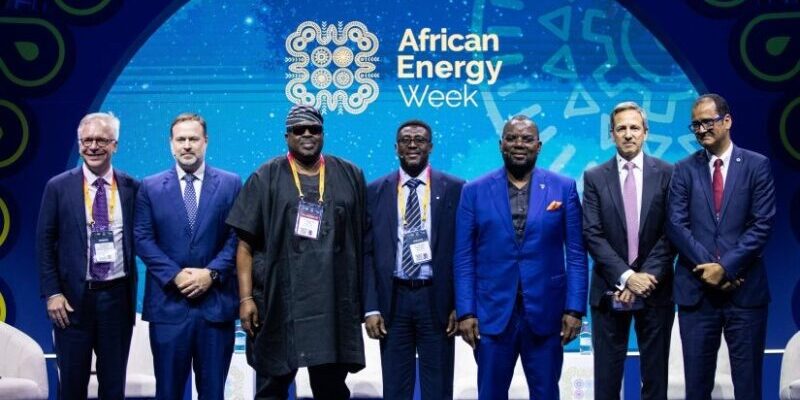
Speaking at Africa Energy Week 2025, Arnie Gibbs, Chair of Mozambique Rovuma Ventures at ExxonMobil, confirmed that the Rovuma LNG project is targeting FID in 2026.
“From my perspective, the stars are aligning for Rovuma, and ExxonMobil is positive about Mozambique,” Gibbs said.
He emphasized the company’s efforts to increase local content and drive economic development in Cabo Delgado, adding that the project is being redesigned for greater sustainability and cost efficiency. The facility will feature 12 modules, each with a capacity of 1.5 million tonnes per annum (MTPA).
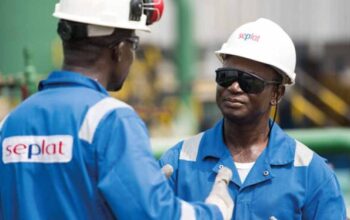
In Nigeria, Julius Rone, CEO of UTM Offshore, shared updates on the $5 billion UTM Floating LNG (FLNG) project, confirming it is on track for FID. Vitol has been secured as an off-taker, while Seplat Energy is close to finalizing its collaboration agreement.
“We’re very close to closing with Seplat and concluding the Sale and Purchase Agreement with Vitol,” Rone said.
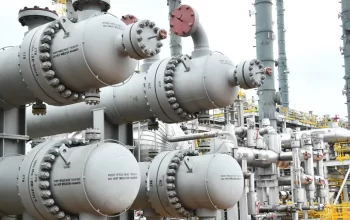
The FLNG facility will supply liquefied petroleum gas (LPG) to Nigeria’s domestic market and export LNG to Europe and Asia, strengthening the country’s role in global gas supply chains.
According to Olakunle Osobu, Deputy Managing Director at Nigeria LNG (NLNG), Africa currently accounts for just under 10% of global LNG trade. However, new projects could double this contribution within the next decade.
Nigeria remains a leading exporter, with NLNG capacity expected to increase from 22 MTPA to 30 MTPA. Osobu highlighted ongoing LNG projects across Nigeria, the Republic of Congo, Angola, Mozambique, Mauritania, and Senegal, which together represent more than 45 MTPA of potential supply.
“If we succeed, Africa’s total LNG capacity could reach 120 MTPA by 2035,” he stated.
Timothy Fakrogha, General Manager of Commercial at NLNG, pointed out that evolving market dynamics—including a shift toward short-term contracts and flexible supply portfolios—are reshaping the LNG landscape.
“There is increasing competition to be recognized as a secure LNG supplier,” Fakrogha said. “African projects can stand out by delivering low-carbon LNG and maintaining strong ESG performance.”
Meanwhile, Federico Petersen, Chief Commercial Officer of Golar LNG, stressed the importance of cost discipline and strategic partnerships.
“Finding affordable gas, identifying the right assets, and securing the right partners are essential,” Petersen noted. “Governments can help by supporting companies through tax incentives, production-sharing agreements (PSCs), and improved access to foreign exchange, ensuring projects remain financially robust.”
With strong momentum from both public and private sectors, Africa’s LNG industry is poised to become a key growth driver in the global energy transition.