Equatorial Guinea to Launch 2026 Oil & Gas Licensing Round with 24 Blocks to Revive Production
Equatorial Guinea is set to launch a new oil and gas licensing round in April 2026 to stimulate exploration and address the decline in hydrocarbon production, Hydrocarbons and Mining Development Minister Antonio Oburu Ondo announced.
The licensing round, referred to locally as “la ronda,” will begin in the second quarter of 2026, with detailed timelines, application procedures, and requirements to be released in due course.
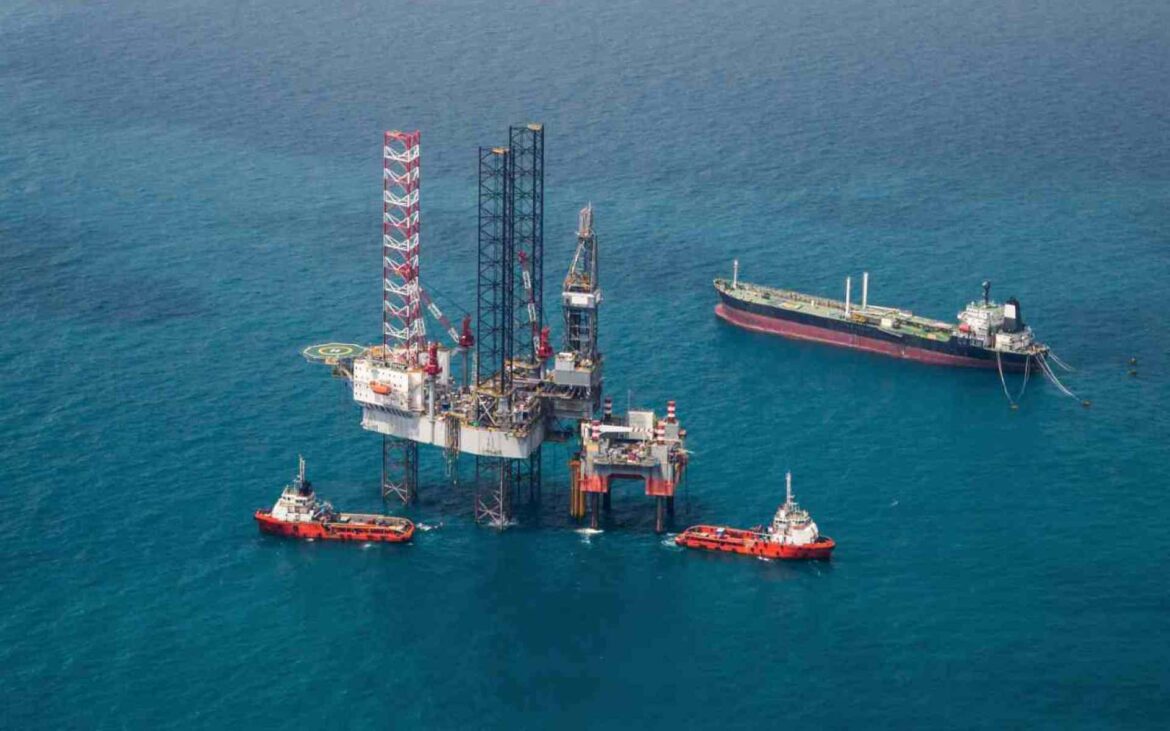
The round is scheduled to run from April to November 2026 and will offer 24 blocks for exploration—two onshore and 22 offshore.
According to OPEC’s 2024 statistical review, Equatorial Guinea’s oil production peaked at 241,000 barrels per day (bpd) in 2010 but declined sharply to 55,000 bpd in 2023.
The International Monetary Fund (IMF) noted in August 2025 that the country’s hydrocarbon-dependent economy is expected to grow by only 0.9% annually between 2025 and 2030, driven largely by shrinking oil and gas output.
In a related development, Chevron’s Noble Energy subsidiary recently finalized terms with Equatorial Guinea to develop the Aseng gas project in Block I of the Douala Basin, moving the project closer to a final investment decision.
The Aseng project involves an initial investment of about $690 million and aims to secure LNG supplies for global markets while advancing Equatorial Guinea’s ambition to become a regional gas-processing hub.
To support these ambitions, Equatorial Guinea signed an agreement with Nigeria in 2024 to jointly develop the Gulf of Guinea Gas Pipeline.
The government is also progressing with the $4.5 billion EG-27 LNG project in partnership with Afreximbank, which is actively raising capital for its execution.
Afreximbank stated that the EG-27 project, centered on the Ebano field, could produce 2.4 million metric tons of LNG annually for the next 20 years once operational.
This upcoming licensing round, along with strategic projects like Aseng and EG-27, is a key pillar of Equatorial Guinea’s strategy to revitalize its oil and gas sector and strengthen its position as a major energy player in the Gulf of Guinea region.