Angolan Economists Highlight Cabinda Refinery as Milestone for Energy Self-Sufficiency and Job Creation
Angolan economists have hailed the inauguration of the Cabinda refinery as a major milestone for the country’s energy sector, signaling increased self-sufficiency and reduced reliance on imported fuel.
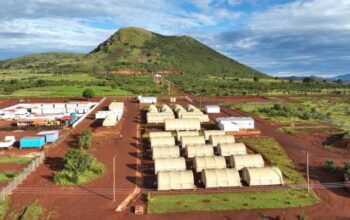
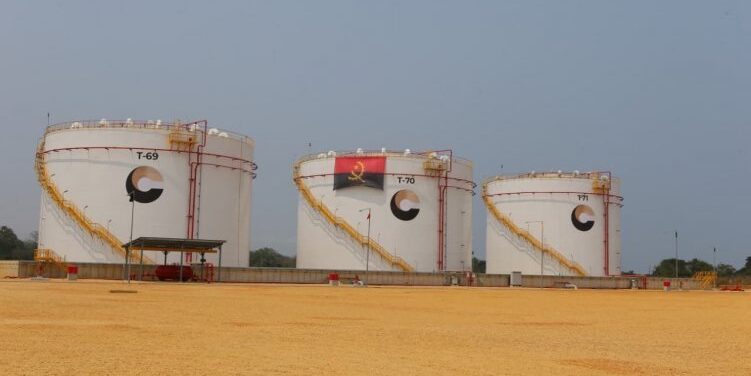
The Cabinda refinery, a private investment with 90% equity from Gemcorp and 10% from state-owned Sonangol, was officially opened on Monday by President João Lourenço.
Economist Daniel Sapateiro emphasized that this is the first refinery Angola has built since independence in 1975, noting that its operation will transform the national energy landscape, generate jobs, and reduce the need for imported refined products.
“With this refinery, the government can save foreign currency previously spent on fuel imports,” Sapateiro said.
He added that the project, built in Angola’s northernmost province at an investment of $550 million—above the initial $473 million budget—signals potential future refineries in Soyo and Lobito.
The refinery is expected to create around 3,300 direct jobs, many for residents of Cabinda province, boosting local incomes and consumption while benefiting the entire country.
Economist Flavio Inocencio highlighted the refinery’s strategic significance, noting that Cabinda has historically seen few oil investments.
He added that the refinery could eventually be expanded into a petrochemical project, increasing exports and strengthening the local economy.
The Cabinda refinery will start with an initial production of 30,000 barrels per day, increasing to 60,000 barrels in its second phase, covering 5–10% of Angola’s annual refined product imports.
Minister of Mineral Resources, Oil and Gas, Diamantino Azevedo, acknowledged construction delays due to the COVID-19 pandemic but confirmed that the facility will deliver its first commercial oil products by year-end.
Under the refinery’s agreement, Sonangol supplies the crude oil, which remains its property, while Gemcorp handles refining and returns processed products to the state company for a processing fee, highlighting a successful public-private partnership model.