Chevron and Israel Ink $610M Nitzana Pipeline Deal to Expand Gas Exports Amid Regional Tensions
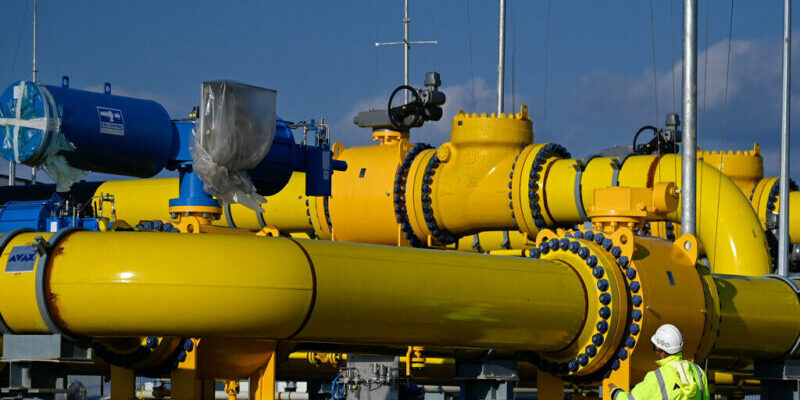
Chevron and its partners in Israel’s Leviathan offshore gas field have signed a $610 million agreement with Israel Natural Gas Lines to build the Nitzana pipeline, a strategic project that will transport Israeli natural gas to Egypt.
The 65-kilometer pipeline, expected to be operational by 2028, will carry at least 600 million cubic feet of gas per day. Once completed, it could increase Israel’s export capacity to Egypt to more than 2.2 billion cubic feet per day.
The project forms part of a broader strategy to diversify Israeli gas exports, help ease Egypt’s energy shortfall, and reinforce regional energy partnerships despite mounting geopolitical strains.
Chevron’s Jack Baker, managing director of its Eastern Mediterranean Business Unit, said the pipeline would “deliver substantial domestic economic benefits and support energy security across the Eastern Mediterranean.”
The Leviathan field—one of the world’s largest deep-water gas discoveries—holds an estimated 600 billion cubic meters of gas.
Located 120 kilometers west of Haifa at a depth of 1.7 kilometers, Leviathan is a cornerstone of Israel’s energy strategy. Chevron controls a 39.66% stake in the project, alongside NewMed Energy.
“This is a national project that will secure Israel’s energy needs for decades while unlocking billions in potential investments,” said NewMed CEO Yossi Abu.
Both Israel and Egypt have become significant natural gas exporters in recent years. Israeli gas already supplies 15–20% of Egypt’s domestic demand, according to the Joint Organisations Data Initiative.
In August, Leviathan’s partners signed Israel’s largest-ever export contract—valued at $35 billion—to supply gas to Egypt over several decades.
The new pipeline is expected to enhance the reliability of such agreements while supporting Egypt’s LNG exports to Europe.
Israel’s gas exports to Egypt and Jordan grew more than 13% in 2024, despite ongoing conflict with Hamas in Gaza.
Exports now account for nearly half of Israel’s total gas production, and royalties reached a record NIS 2.37 billion ($713 million) that year.
In 2022, Israel, Egypt, and the European Union signed a memorandum of understanding that allows Israeli gas to reach European markets via Egypt’s LNG facilities, further expanding export opportunities.
However, the announcement of the Nitzana pipeline coincides with heightened political risks. A recent United Nations Commission of Inquiry report accused Israel of committing genocide in Gaza—a finding Israel dismissed as “scandalous” and “fake.”
The ruling has fueled international tensions, with reports that some countries are reconsidering contracts with Israeli firms.
Against this volatile backdrop, the Nitzana pipeline highlights both the economic promise and the geopolitical uncertainty surrounding energy development in the Eastern Mediterranean.