UAE’s Dragon Oil to Increase Egypt’s Oil Production

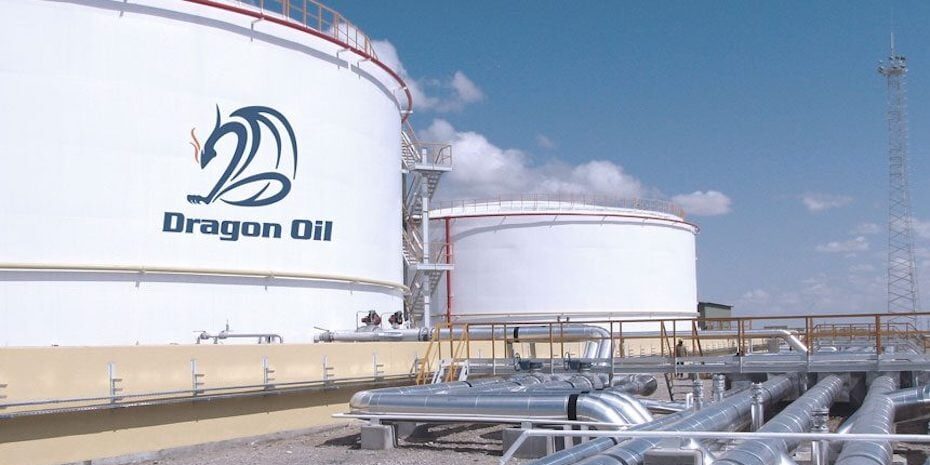
Dubai-based Dragon Oil is planning to increase its oil production in Egypt by about 27% to reach 70,000 barrels per day in October, a government official told Asharq Business. Dragon Oil will start production within two months from the North Safa field in the Gulf of Suez, with a capacity of 15,000 barrels of oil per day. Dragon Oil is owned by Emirates National Oil Company Group (ENOC). Over the past decade, Dragon Oil has


Loading

Read More Here

UK’s Rishi Sunak Labeled ‘Dangerous Radical’ Following Issuance of New Oil and Gas Licenses

After announcing hundreds of new oil and gas licenses in the North Sea, the UK’s prime minister, Rishi Sunak, has been labeled a “dangerous radical” pursuing “moral and economic madness,” according to the United Nations Secretary-General, António Guterres. “The truly dangerous radicals are the countries that are increasing the production of fossil fuels,” Guterres said in a statement. Sunak, naturally, sees it differently. “It’s vital we bolster our energy security and capitalize on that independence

Loading

Read More Here

Assessing Saudi Arabia’s Economic Outlook Amidst Oil Market Volatility

Saudi Arabia’s economy is facing a challenging outlook as recent preliminary GDP figures reveal the country has entered a “technical recession,” as reported by Capital Economics, a London-based research firm. The primary cause of this economic downturn is the reduction in oil production, despite the non-oil economy showing resilience. Saudi Arabia’s decision to voluntarily decrease its daily oil output by 1 million barrels a day has played a significant role in the current economic situation.

Loading

Read More Here

Oil Prices Surge 1% on Strong US Inventory Data, Reflecting Robust Demand

Oil prices surged by almost 1% on Wednesday, trading near their highest since April, as crude and fuel product inventory data showed robust demand from the world’s biggest fuel consumer, the U.S., offsetting demand concerns elsewhere. Brent crude futures for October rose 80 cents, or 0.94%, to $85.71 a barrel at 0625 GMT. Likewise, U.S. West Texas Intermediate crude for September climbed 80 cents, or 0.98%, to $82.17 a barrel. U.S. oil inventories fell by

Loading

Read More Here

Oil, gold prices fall on Tuesday, dollar rises

Benchmark US crude oil for September delivery fell 43 cents to $81.37 a barrel on Tuesday. Brent crude for October delivery fell 52 cents to $84.91 a barrel. In related news, the closing prices for crude oil, gold, and other commodities on Monday were as follows: Meanwhile, the dollar saw a rise, reaching 143.42 Japanese yen from 142.29 yen, while the euro fell to $1.0975 from $1.0999.

Loading

Read More Here

Gold Investment Remains Resilient, WGC Report Shows

Gold investment has shown resilience, according to the World Gold Council’s (WGC) ‘Gold Demand Trends’ report for the second quarter, released on August 1, 2023. Despite some softness in certain areas of the market, the report indicates that investment demand remains robust while fabrication demand faces challenges due to high prices and affordability concerns among consumers. The WGC’s projections for investment in the current financial year remain unchanged, thanks to strong over-the-counter (OTC) demand compensating

Loading

Read More Here

Program Contracts Bolster “Angolanization” of the Oil Sector

The process of increasing Angolan participation in the oil sector took another step on Tuesday with the signing of program contracts with seven national oil companies, totaling 1,540 registered firms. Speaking at the signing ceremony of these contracts, the Secretary of State for Mineral Resources, Jânio Victor, mentioned that out of the 1,540 Angolan companies, two are operators. He emphasized that the Angolanization process in the sector has surpassed 87%, and it continues to grow

Loading

Read More Here

Empowering Africa’s Mineral Market through Infrastructure Investment

the importance of infrastructure investment in southern Africa to support the region’s mineral exports and production. It emphasizes the need for substantial infrastructure expenditures, particularly in transportation and processing facilities, to fully exploit the potential of lucrative minerals and avoid the resource curse. The South African government is taking proactive steps to improve the country’s railway system to overcome infrastructure constraints in the mining industry. Initiatives include implementing the National Rail Policy and appointing a

Loading

Read More Here

Decline in Reserves Poses Threat to Oil Price Increase

Analysts from JP Morgan said this month that oil reserves – including crude products and fuels – now play a bigger role in determining oil prices than the US dollar because Western sanctions on Russia have accelerated oil trade in other currencies. “We expect stocks to drop relatively aggressively in July, and by the end of August, we should surpass the reserve increases we saw in the first half of the year,” said Christopher Haines,

Loading

Read More Here

Brazil’s Oil Production Expected to Grow by up to 80% in 10 Years

Oil production in Brazil is expected to grow by up to 80% in the next 10 years. Estimates indicate that the country’s oil production will increase from the current 3 million barrels per day to 5.4 million barrels per day by 2029. Over the next decade, Brazil is on the verge of experiencing a true “boom” in oil production. According to Metrópoles, the estimates point to an impressive growth in this commodity, reaching 5.4 million

Loading

Read More Here

1 38 39 40 41 42 87