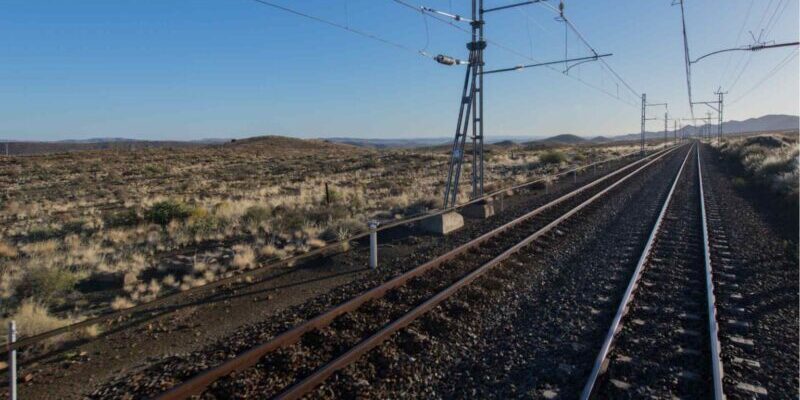
Top 5 Rail Projects to Watch in Africa

Positive GDP growth, new energy and mining developments, and growing competitiveness of regional supply chains have resulted in surging demand for the development of Africa’s railway sector. As the continent undergoes unprecedented economic development – driven by fast-growing populations and rapid urbanization – Africa’s transport industry is poised to expand and support trade activities, while reducing carbon emissions and lowering transport costs. Accordingly, several African countries have partnered with international financial and development institutions in

Loading

Read More Here

AEC Applauds DRC and Nigeria’s Commitment to Global Oil Industry Growth and Stability Through OPEC Cooperation

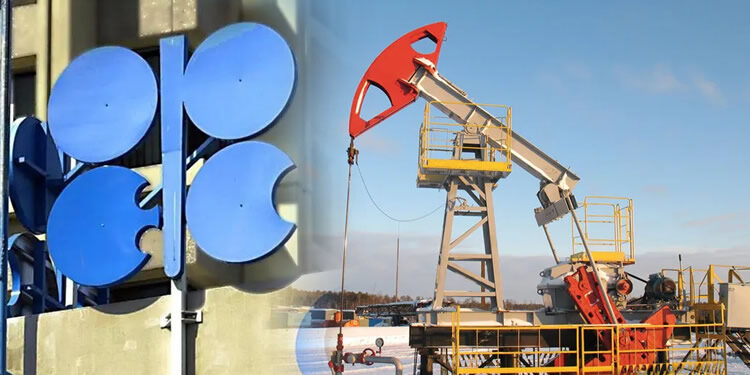
The Republic of Congo and Nigeria, Africa’s leading oil producers and members of the Organization of the Petroleum Exporting Countries (OPEC), have affirmed their commitment to efforts by OPEC and OPEC+ and its member countries to stabilize the global oil market in 2024 and beyond. During the 36th OPEC and non-OPEC Ministerial Meeting held in November, the organization and its member countries, reached an agreement with participating countries over the production quota for 2024. As

Loading

Read More Here

Sonangol opens station operated with photovoltaic energy

Sonangol inaugurated, on Friday December 22, in Luanda, a gas station with a photovoltaic energy source, an investment of 254 thousand dollars that constitutes the first of a project of 17 that the company will replicate throughout the country from 2024. The company, which is implementing its energy transition strategy, employs 102 photovoltaic panels at the Anduri Supply Station, located in the municipality of Icolo e Bengo, Estrada Nacional 230, 120 kilometers from the center

Loading

Read More Here

State sells stake in oil company

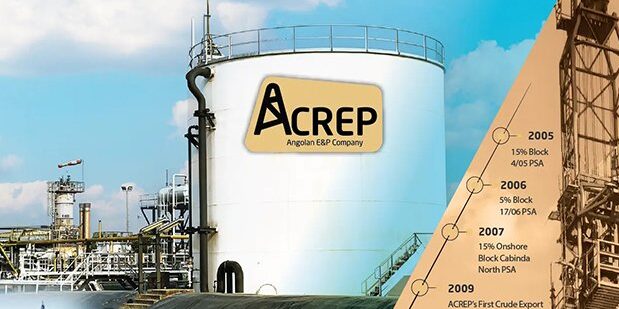
The State’s 16.63 percent stake in ACREP, an Angolan oil exploration company, is privatized through an issue of shares, an Initial Public Offering (OPI) authorized by order of the President of the Republic, João Lourenço. The document, published in Diário da República dated December 12, states that the stake, held indirectly by the State, through the Savings and Credit Bank (BPC), is sold under the Privatization Program (PROPRIV) , in March extended to the period

Loading

Read More Here

Exit from OPEC brings autonomy to Angolan oil policy

Angola’s departure from the Organization of Petroleum Exporting Countries (OPEC), announced last week by the Government in Luanda, gives the State greater autonomy in collecting the revenue necessary for economic growth, at a time when projects designed to reverse the natural decline in oil production. These statements were made by the chairman of the Board of Directors of Prodoil (an Angolan oil company with private capital), Pedro Godinho, in statements when reacting to the announcement

Loading

Read More Here

Oil Prices Rebound Despite Exit from OPEC

Oil prices saw a modest recovery on Friday December 22nd, rebounding from earlier declines influenced by Angola’s departure from OPEC, even as ongoing tensions in the Middle East continued to grip the market’s attention. Brent futures closed slightly higher, edging up by eight cents or 0.1 percent to settle at $79.47 a barrel. The Angolan sales benchmark reached $79.79, climbing 0.5 percent from the previous day when news of Angola’s exit had nudged prices down

Loading

Read More Here

Nigeria and Congo reaffirms commitment to OPEC following Angola’s exit

Following Angola’s decision to exit the OPEC oil cartel, Nigeria and Congo have reaffirmed their commitment to the Saudi-led oil producer group, which has been actively seeking support for additional output cuts to boost prices. Africa’s biggest oil producers, Nigeria and Angola, were among several countries given lower output targets for 2024 after years of failing to meet the previous ones, Reuters reported. On Thursday, Angola announced its exit from OPEC, citing that the organization

Loading

Read More Here

BFA says leaving OPEC “has no relevant costs” for Angola

Following Angola’s bold decision to exit the Organization of the Petroleum Exporting Countries (OPEC), Banco Fomento Angola (BFA)’s chief economist, José Miguel Cerdeira, emphasized that this departure holds minimal economic costs for the country while unlocking the ability to bolster its oil production. In a conversation with Lusa on Thursday, Cerdeira clarified that the departure from OPEC doesn’t pose substantial financial burdens for Angola. He explained that the organization’s waning influence on determining oil prices

Loading

Read More Here

Angola Decides to Exit OPEC Amid Oil Production Constraints

In a significant move, Angola declared its withdrawal from the Organization of Petroleum Exporting Countries (OPEC) due to restrictions on oil production. The Minister of Mineral Resources, Oil, and Gas, Diamantino Pedro Azevedo, made this announcement, citing the decision as one made in defense of Angola’s interests. Azevedo conveyed this pivotal decision following the tenth ordinary meeting of the Council of Ministers, presided over by President João Lourenço. Emphasizing the government’s stance, Azevedo expressed that

Loading

Read More Here

Angola and DRCongo Seal Oil Production Deal for Block 14/23 Concession

In a landmark development, Cabinda Gulf Oil Company Limited (CABGOC) has inked a consequential Production Sharing Agreement (PSA) to operate in the prized Block 14/23 concession, nestled within the Zone of Common Interest (ZIC) in the maritime expanse shared by Angola and the Democratic Republic of Congo (DRCongo). Under this monumental PSA, co-signed with the Governments of Angola and DRCongo, CABGOC, a subsidiary of Chevron operating in Angola, assumes the role of the primary operator,

Loading

Read More Here