President João Lourenço: Angola Ready to Share Surplus Electricity with Neighboring Countries
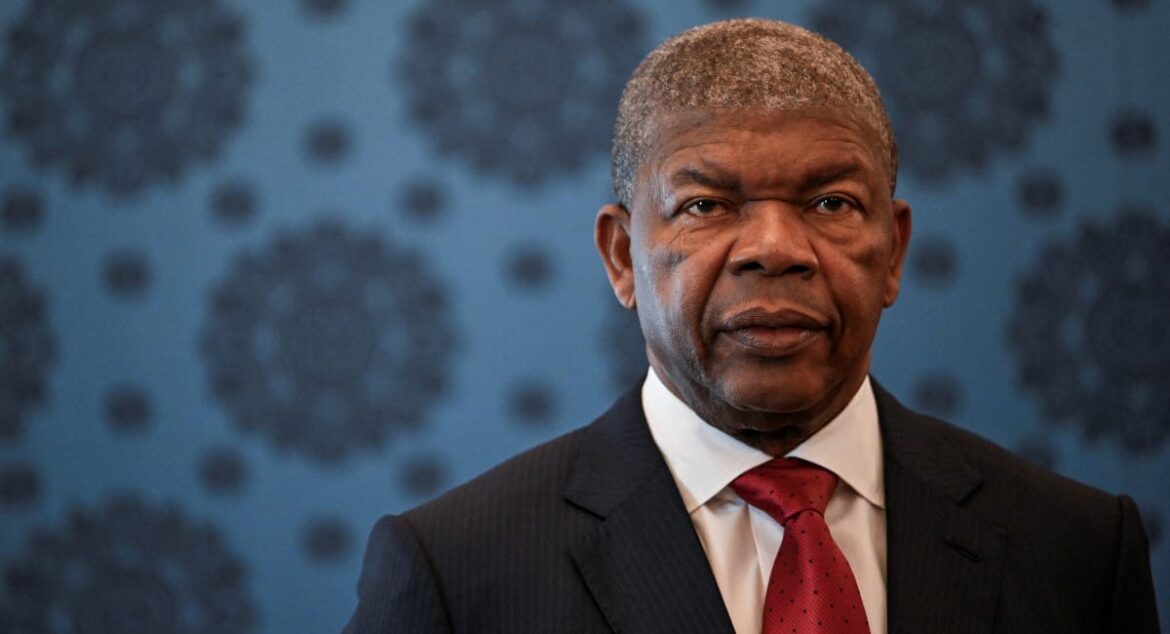
Luanda, Angola — President João Lourenço announced on Tuesday that Angola now has the capacity to generate enough electricity to meet domestic demand and is prepared to export surplus power to neighboring countries, provided there is investor interest in developing transmission infrastructure.
Speaking at the opening of the 3rd Summit for Infrastructure Financing in Africa, held in Luanda and running until Friday, Lourenço — who currently serves as Acting President of the African Union reaffirmed Angola’s commitment to collaborating with African nations, financial institutions, and international partners to drive infrastructure-led development across the continent.
“Infrastructure development is key to creating jobs, boosting trade, and improving the quality of life for our people,” President Lourenço said, expressing hope that the summit would “facilitate high-level dialogue and achieve concrete results in project financing.”
Highlighting Angola’s Infrastructure Milestones
As Angola approaches its 50th anniversary of independence on November 11, the President highlighted several major infrastructure projects completed or underway including the Dr. António Agostinho Neto International Airport, the construction of new provincial airports, and the expansion of the nation’s main ports.
He also cited the deep-water port of Caio in Cabinda as a cornerstone of Angola’s maritime development strategy.
Power Generation and Regional Integration
President Lourenço emphasized that Angola’s electricity generation capacity already meets national needs and will soon be significantly boosted by the Caculo Cabaça Hydroelectric Dam, which will add 2,172 megawatts (MW) to the grid.
He added that additional hydropower projects — including the Baynes transnational dam jointly developed with Namibia could unlock over 8,000 MW of new generation potential, bringing Angola’s total capacity to 14,845 MW within the next two decades.
However, he cautioned that greater investment in transmission and distribution infrastructure is essential to ensure that power reaches all regions of the country.
One key project involves connecting Cabinda to the national grid via an underwater cable from Soyo, closing a long-standing energy gap in the oil-rich province.
Regional Energy Partnerships and New Investments
“It is our intention to share part of the energy we produce with neighboring SADC and Central African countries,” Lourenço said, adding that Angola is open to public-private partnerships for building cross-border transmission lines.
Beyond energy, the President highlighted ongoing investments in water, telecommunications, and space technology, including the launch of a new Earth observation satellite and the expansion of the national fiber-optic network.
Infrastructure Financing and the Lobito Corridor
President Lourenço also underscored the need for innovative infrastructure financing solutions that benefit not only individual nations but also the wider regional and continental integration efforts.
He pointed to the Lobito Corridor as a prime example of transformative infrastructure, noting its strategic importance in connecting southern Africa’s mineral-rich interior to global markets.
“The Lobito Corridor is vital for Angola, the SADC region, and the global economy,” he said. “It reduces maritime transport times between Asia, Africa, Europe, and the Americas — ultimately lowering export costs and improving trade efficiency.”
Angola’s growing power generation capacity, coupled with its investment in transport and digital infrastructure, positions the country as a regional hub for energy and logistics.
With strategic partnerships and sustainable financing, President Lourenço envisions Angola playing a central role in Africa’s economic integration and green energy transition.