Angola Launches First Vehicle Assembly Plant as Opaia Group Moves to Cut Import Dependence
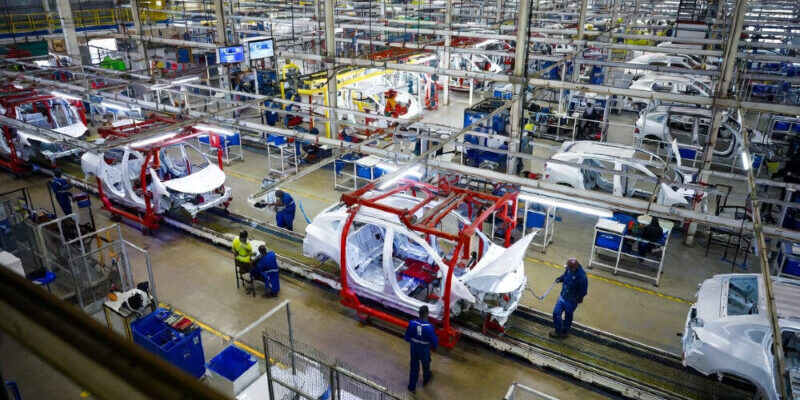
Angola has taken a significant step towards rebuilding its industrial base with the opening of its first fully operational vehicle assembly plant, signalling renewed efforts to reduce the country’s heavy reliance on imported cars and buses.
The facility, officially launched in Luanda by the privately owned Opaia Group, marks the return of vehicle production to the oil-rich southern African nation after years of inactivity in the automotive manufacturing sector.
The plant will be operated by Opaia Motors, a newly established automotive subsidiary of the Luanda-headquartered conglomerate, which is best known for its infrastructure development projects.
According to the company, the facility has an installed annual capacity to assemble up to 22,000 light vehicles and 1,000 buses, positioning it as a potentially significant contributor to Angola’s domestic transport market.
Opaia described the project as a major milestone in the development of Angola’s emerging automotive manufacturing industry and part of its broader industrialisation ambitions.
Vehicle assembly previously existed in Angola through a China-funded plant established more than a decade ago, but operations were suspended as economic conditions deteriorated. Opaia has since revived the initiative through the acquisition of the plant’s assets.
Under its current business model, Opaia plans to assemble imported white-label vehicles and market them locally under the Opaia Motors brand.
Passenger vehicles will be sourced from China through partnerships with manufacturers including Chery and Dongfeng Motor, while buses will be supplied by Swedish truck and bus manufacturer Volvo and imported from Sweden.
Looking beyond the domestic market, Opaia has indicated potential plans to develop export capabilities and introduce electric vehicle assembly in the future, although no implementation timeline has been announced.
For Angola, where the vast majority of vehicles are imported, the new plant represents an early but important effort to expand local manufacturing capacity, create employment, and diversify an economy that remains heavily dependent on oil revenues.