Angola to Reduce Oil-Backed Debt to China to as Low as $7.5 Billion by Year-End Amid Push for Financial Stability
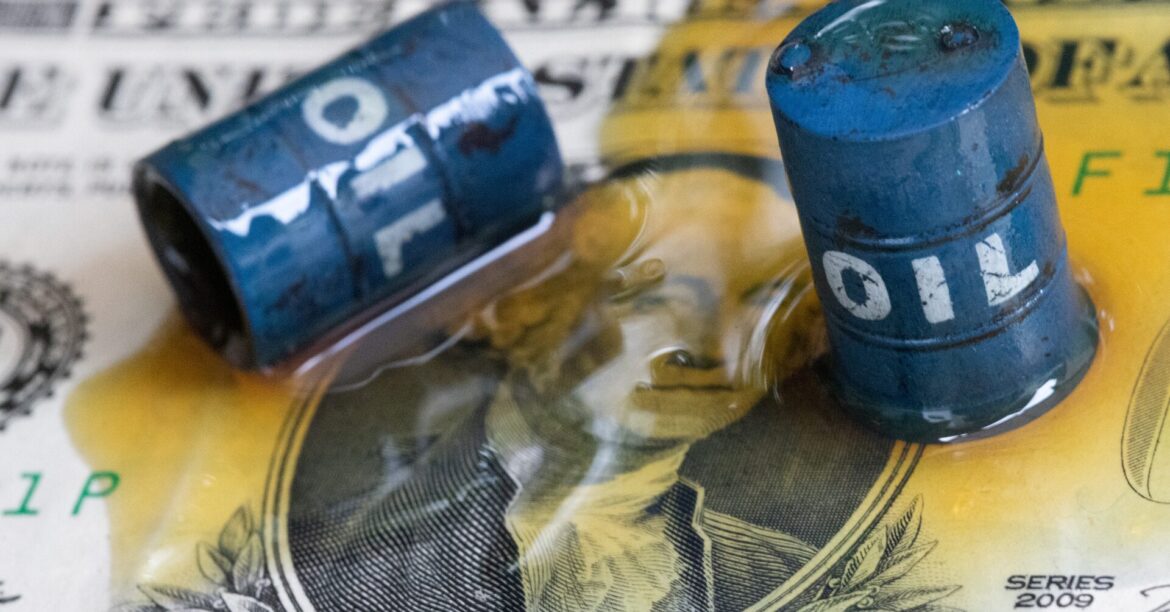
Angola’s oil-backed debt to China is projected to fall to between $7.5 billion and $8.0 billion by the end of 2025, according to Dorivaldo Teixeira, Director of the Debt Management Unit at the Ministry of Finance.
This marks a continued decline from $10.15 billion at the end of 2024 and $8.94 billion at the end of June 2025, based on official figures.
“All debt collateralised by oil revenues is concentrated in agreements with China, which have been gradually reduced in recent years,” Teixeira stated, highlighting the country’s strategic pivot away from commodity-backed borrowing.
Angola stopped contracting new oil-backed loans from China in 2017, opting instead for a more transparent and cautious approach to external borrowing.
The government has also paused plans to issue debt on international capital markets, citing ongoing global uncertainty, high interest rates, and volatile investor sentiment.
In a significant example of external market risk, Angola was required to make a $200 million margin call payment to JPMorgan in April 2025.
The payment was tied to a collateralised bond affected by falling oil prices, which were triggered by renewed U.S. tariff tensions that disrupted global markets.
Amidst these challenges, Angola has turned to the domestic bond market to finance its budget needs. In the first half of 2025, the government raised 2.2 trillion kwanzas (approximately $2.4 billion) through fixed-rate bond issuances.
This strategy is part of a broader effort to reduce refinancing risks and bolster economic resilience.
The government aims to rely less on volatile external financing conditions and more on sustainable, internally managed resources.
The move away from oil-backed debt is a key component of Angola’s financial reform agenda, especially as the country navigates a shifting global landscape influenced by fluctuating commodity prices, rising interest rates, and geopolitical instability.
By reducing its reliance on resource-backed loans and focusing on domestic capital markets, Angola is positioning itself for greater financial stability and long-term debt sustainability