Botswana Forecasts 4.2% Economic Growth in 2027 Despite Rising Debt and Diamond Industry Challenges
Botswana has revised its economic growth forecast upwards for 2026 and expects further expansion in 2027, supported by a recovery in diamond production, although rising public debt and persistent challenges in the global diamond market continue to threaten the country’s economic outlook.
According to a budget strategy paper presented by Finance Minister Ndaba Gaolathe, Botswana’s economy is projected to grow by 3.8% in 2026, compared with the 3.1% forecast announced in the February national budget.
The government expects growth to accelerate to 4.2% in 2027, primarily driven by increased diamond production and improving activity in the mining sector.
The revised projections indicate a gradual recovery for the Southern African economy following a prolonged downturn in global diamond demand, which has affected mineral exports, government revenue and economic performance.
Mining Sector Drives Economic Recovery
Finance Minister Gaolathe identified mining as the principal driver of Botswana’s economic recovery, highlighting the sector’s continued importance to national economic growth.
Preliminary national accounts data showed that the economy expanded by an average of 6.1% during the first half of 2026, a significant improvement from the 2.8% contraction recorded during the corresponding period in 2025.
The recovery reflects improving economic activity following a difficult period for the country’s diamond industry, although the government’s latest projections suggest that challenges remain.
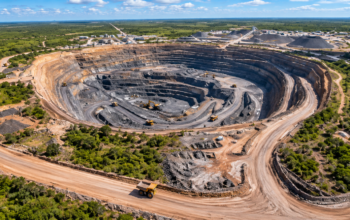
Botswana is among the world’s leading diamond producers by value, with the industry playing a central role in employment, export earnings, public finances and investment.
Diamonds traditionally account for approximately one-third of government revenue and three-quarters of the country’s foreign exchange earnings, making developments in the global diamond market particularly important to the national economy.
The country’s heavy dependence on diamond exports means fluctuations in international demand and prices can have significant consequences for government spending, foreign exchange availability and broader economic stability.
Lab-Grown Diamonds Threaten Long-Term Industry Growth
Despite signs of recovery, Botswana’s diamond industry continues to face structural challenges, including increasing competition from laboratory-grown diamonds and changing consumer preferences in international jewellery markets.
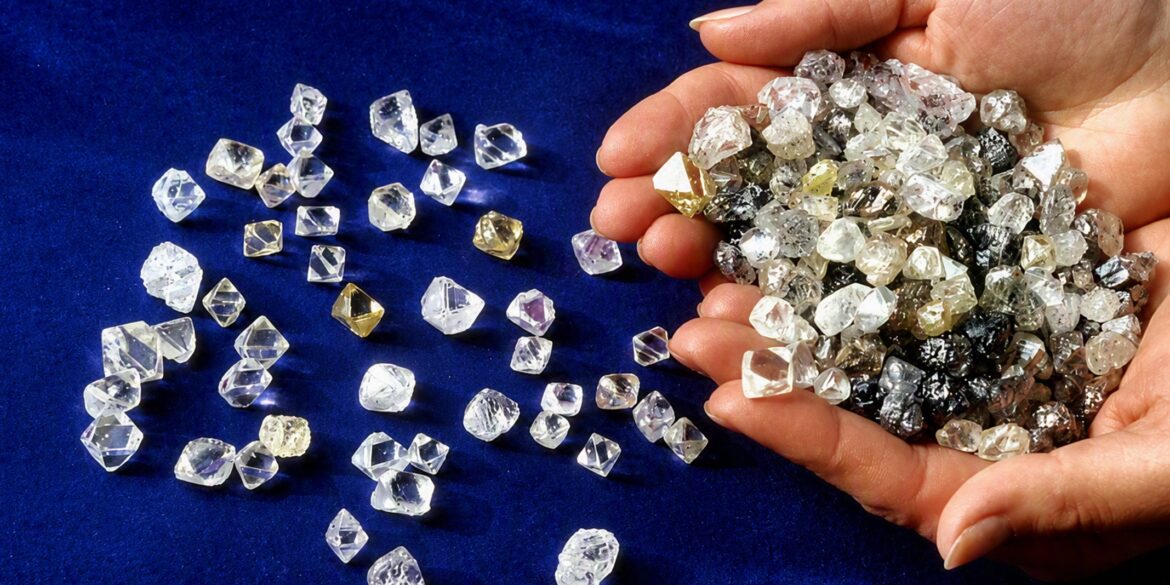
Synthetic diamonds have become more widely available and competitively priced, placing additional pressure on natural diamond producers.
The growing availability of these alternatives has intensified competition at a time when global demand for natural diamonds remains under pressure.
Botswana’s budget strategy paper warned that these developments could continue to affect the industry’s long-term performance, even as production levels improve.
The prolonged downturn has already affected major producers, including Debswana, the diamond mining joint venture between the Botswana government and De Beers.
Production adjustments across the industry have reflected weaker market conditions and the need to manage inventories in response to subdued demand.
The challenge for Botswana is therefore not simply to increase diamond production, but to ensure that higher output is supported by sustainable international demand and commercially viable prices.
Public Debt Expected to Rise to 45% of GDP
Alongside the improving growth outlook, Botswana faces increasing pressure on its public finances.
The government’s budget strategy paper indicates that public debt rose to approximately 34% of gross domestic product during the 2025/26 financial year and is projected to reach 45% by March 2027.
Although the anticipated debt level remains below the country’s revised statutory ceiling of 60% of GDP, the increase highlights growing fiscal pressures associated with weaker mineral revenues and the need to finance government expenditure.
Reduced diamond export earnings have affected Botswana’s traditional sources of revenue, placing additional pressure on fiscal balances and the country’s financial reserves.
The African Development Bank has previously warned that declining diamond exports, widening fiscal deficits and rising public debt have weakened Botswana’s economic buffers.
Credit rating agencies have also raised concerns about the country’s financial outlook.
In September 2026, Moody’s downgraded Botswana’s long-term issuer ratings from Baa1 to Baa2, citing an expected deterioration in public finances.
The agency identified weaker diamond revenue, lower-than-expected receipts from the Southern African Customs Union and disappointing proceeds from new tax measures among the factors affecting the country’s fiscal position.
The downgrade reinforced concerns about Botswana’s exposure to fluctuations in the global diamond market and the importance of restoring sustainable revenue growth.
Economic Diversification Remains Critical
Botswana’s latest economic projections highlight the continued importance of reducing dependence on diamond mining while developing alternative sources of growth.
Although mining remains the country’s principal economic driver, a more diversified economy could help reduce exposure to commodity price fluctuations and changes in international consumer demand.
The government has introduced the Botswana Economic Transformation Programme to encourage private-sector-led growth and support broader economic development.
The programme seeks to strengthen economic resilience by creating opportunities beyond traditional mineral production.
Greater investment in manufacturing, tourism, agriculture, infrastructure and other productive industries could help expand the country’s revenue base and create additional employment opportunities.
However, diversification will require sustained investment, improved competitiveness and policies that support the development of domestic enterprises.
Botswana’s projected economic expansion of 4.2% in 2027 suggests improving prospects for the country’s mining-dependent economy, particularly if diamond production continues to recover.
Nevertheless, the outlook remains closely linked to developments in international diamond markets.
Continued competition from laboratory-grown diamonds, subdued demand for natural stones and rising public debt could limit the pace of recovery.
For Botswana, the immediate priority will be to balance efforts to revive diamond production with measures to strengthen public finances and accelerate economic diversification.
The latest projections demonstrate the country’s potential for renewed economic growth, while highlighting the risks associated with relying heavily on a single mineral commodity for government revenue and foreign exchange earnings.