Namibia Rejects N$4bn Oil and Gas Base Proposed by Ghanaian Entrepreneur Jory Adu-Boahene
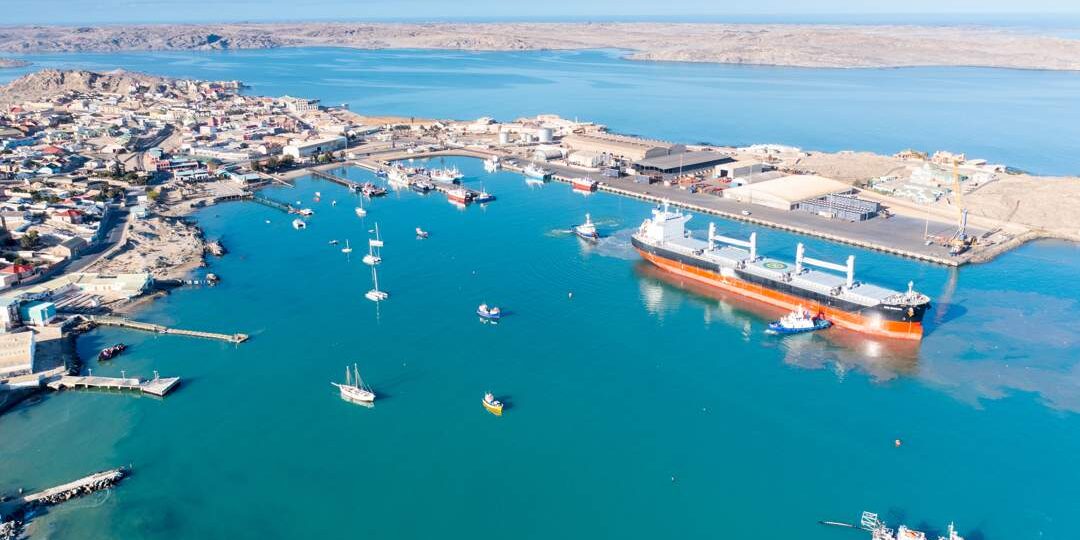
Namibia’s plans to develop an oil and gas supply base at the Port of Lüderitz have hit a setback after the Namibia Ports Authority (Namport) rejected a N$4-billion proposal led by Ghanaian entrepreneur Jory Adu-Boahene.
The proposed development was intended to expand Lüderitz’s capacity to support Namibia’s emerging offshore oil and gas industry, which has attracted significant international interest following major discoveries in the Orange Basin.
The project was submitted by Alpha Nautical Services Limited (Anol), owned by Adu-Boahene, in partnership with Namibian business interests.
The proposal was structured as a 25-year design, build, own, operate and transfer concession.
However, Namport determined that Anol did not meet the requirements to develop and operate the proposed oil and gas supply base.
A key concern raised by Namport was the company’s lack of a verifiable operating track record in managing oil and gas supply bases.
The authority said its review found no proven experience that demonstrated Anol’s ability to operate such a facility.
The project originated through a partnership involving Anol, the Namibia Industrial Development Agency (Nida) and Namport.
Namibia’s Cabinet had tasked the two state-owned entities in 2025 with identifying a development partner for the planned facility.
Adu-Boahene has challenged the decision, arguing that Anol played a central role in initiating and developing the project and had already invested significant capital in its technical and design foundations.
He also said the company had a financing partner with a balance sheet exceeding $50 billion and the financial capacity to support the development.
Adu-Boahene maintains that proceeding with the project without Anol would undermine the basis of the original partnership, given the company’s technical contribution, capital investment and development work.
The dispute comes as Namibia seeks to build infrastructure capable of supporting its anticipated oil and gas industry.
The country is targeting first oil production by 2030, although major operators are still working towards final investment decisions on several projects.
The proposed Lüderitz supply base would have been positioned to provide logistical and support services to offshore exploration and future production activities, potentially creating new opportunities for local businesses, employment and industrial development.
The rejection therefore creates uncertainty around how the N$4-billion project will proceed and whether a new development partner will be sought as Namibia prepares for the next phase of its emerging oil and gas industry.